Vitamin C vs Retinol: Which Ingredient Is Better for Anti-Aging?
Vitamin C and Retinol are two of the most researched skincare ingredients available today. Both are widely used to address visible signs of aging, improve skin texture, and support a healthier-looking complexion.
But despite their popularity, they work differently and excel in different areas.
If you've ever searched:
Vitamin C vs Retinol
Retinol vs Vitamin C for wrinkles
Vitamin C or Retinol for dark spots
Can you use Vitamin C and Retinol together?
you're not alone.
Here's how these two ingredients compare.
Understanding Vitamin C
What does Vitamin C do for the skin?
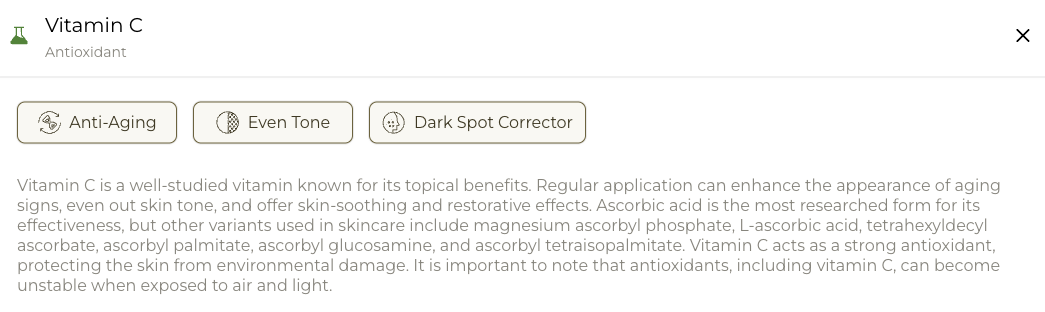
Vitamin C is an antioxidant best known for helping improve the appearance of uneven tone, dullness, and dark spots while protecting the skin from environmental stress.
Common forms include:
L-Ascorbic Acid
Tetrahexyldecyl Ascorbate
Magnesium Ascorbyl Phosphate
Ascorbyl Glucoside
Ascorbyl Palmitate
Vitamin C is commonly used for:
Hyperpigmentation
Dark spots
Uneven skin tone
Dullness
Early signs of aging
Understanding Retinol
What does Retinol do for the skin?
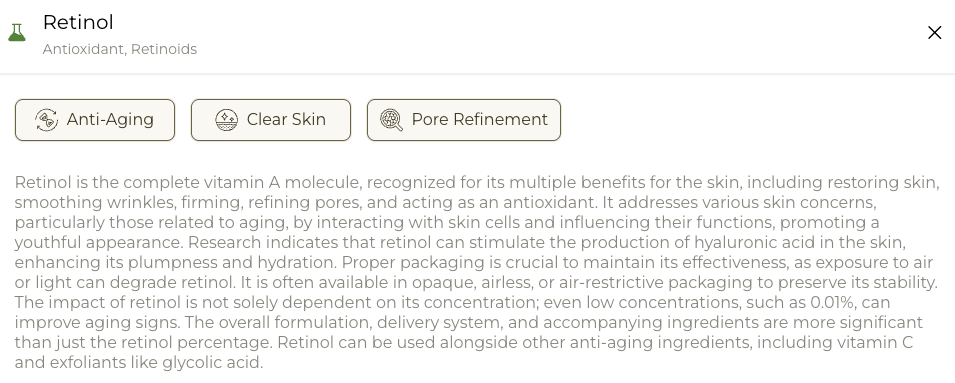
Retinol is a member of the retinoid family and is one of the most extensively studied ingredients for improving the appearance of fine lines and wrinkles.
Retinol is commonly used to address:
Fine lines
Wrinkles
Texture
Pore appearance
Acne-prone skin
Retinol works by influencing skin cell turnover and supporting a smoother-looking complexion over time.
The Products Compared
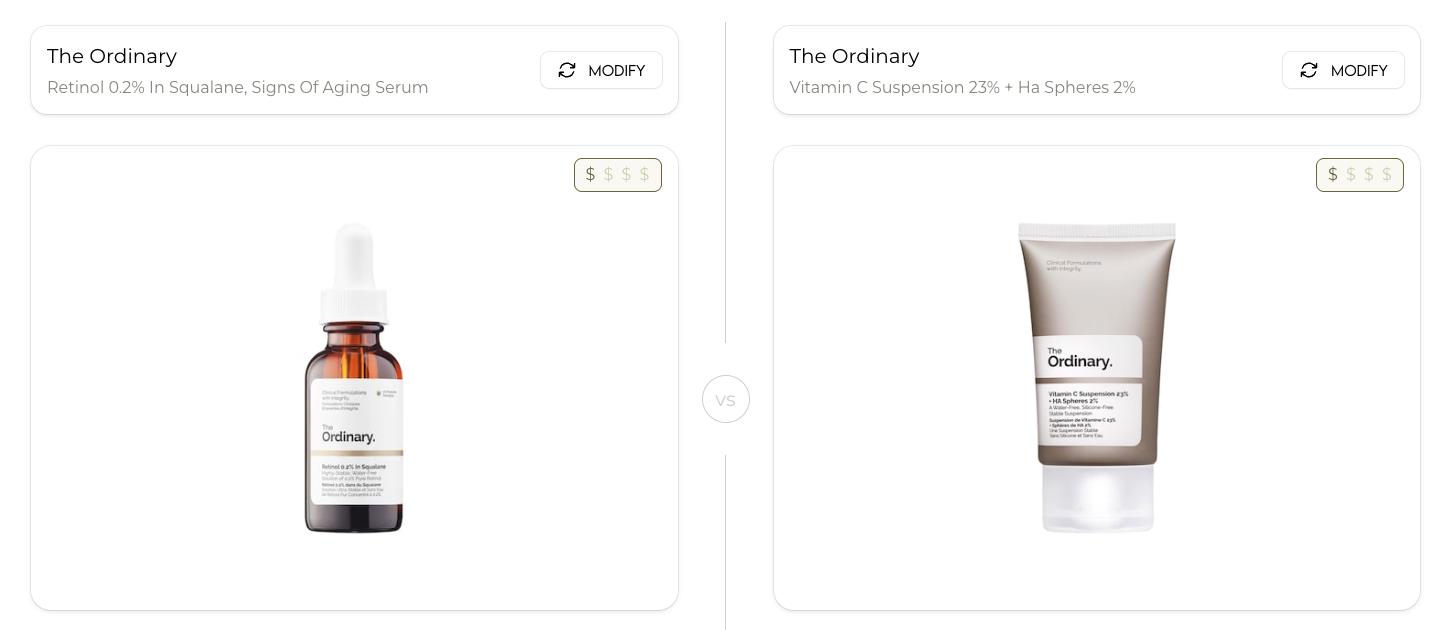
This comparison focuses on two popular products from The Ordinary:
The Ordinary Retinol 0.2% in Squalane
and
The Ordinary Vitamin C Suspension 23% + HA Spheres 2%
Although both products target signs of aging, their formulas and strengths are quite different.
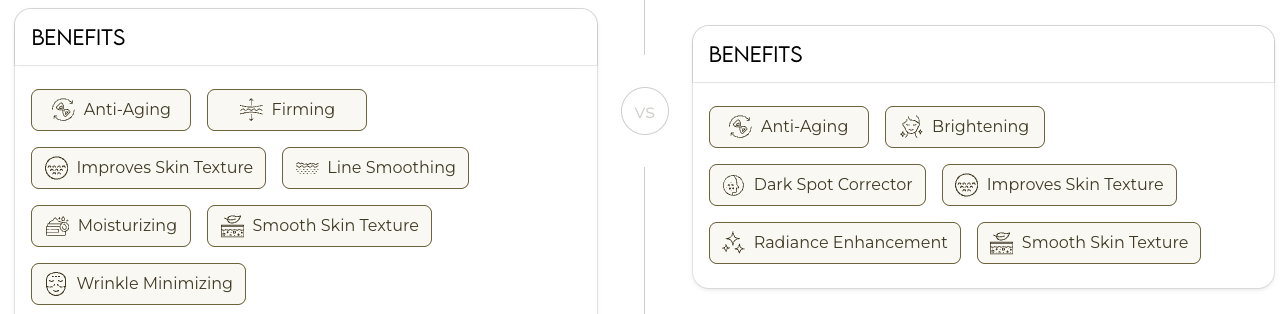
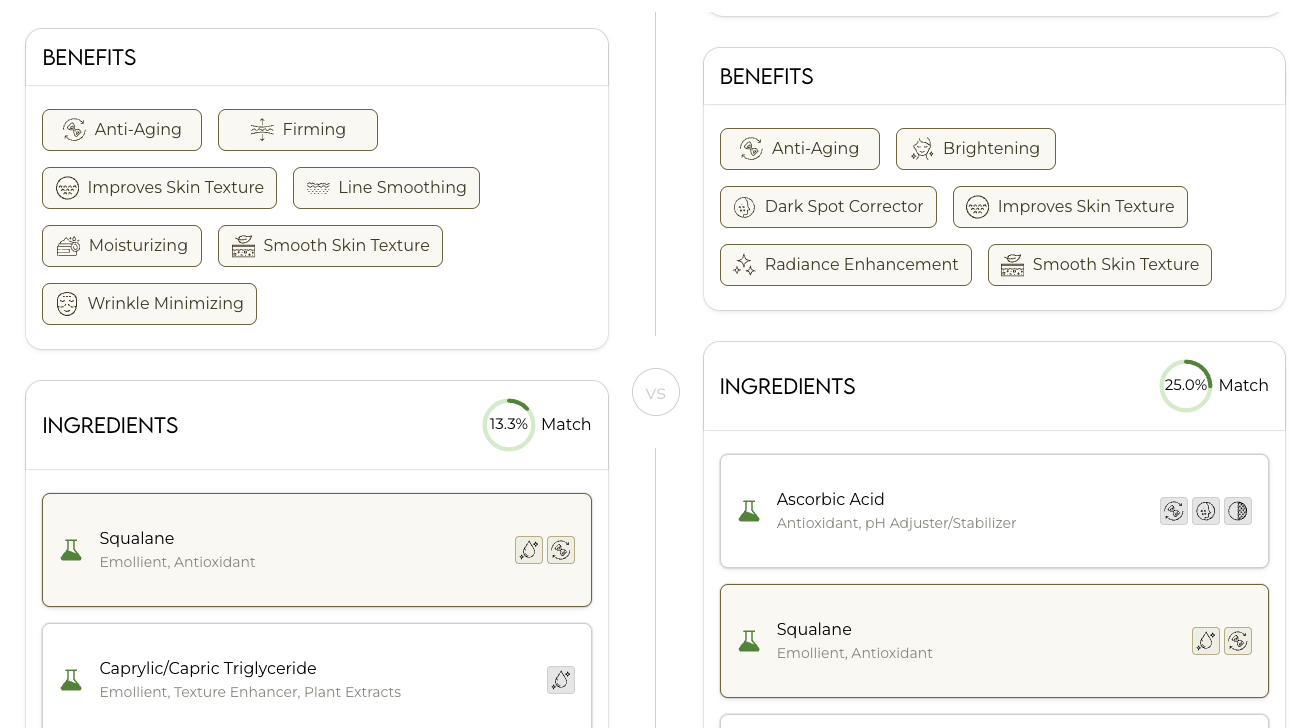
Vitamin C vs Retinol Benefits
The Ordinary Retinol 0.2% in Squalane
Key benefits include:
Anti-aging
Firming
Line smoothing
Wrinkle minimizing
Improved skin texture
Moisturizing
The Ordinary Vitamin C Suspension 23% + HA Spheres 2%
Key benefits include:
Anti-aging
Brightening
Dark spot correction
Radiance enhancement
Smooth skin texture
Improved overall tone
Which Ingredient Is Better for Wrinkles?
Retinol is generally considered the stronger choice when addressing:
Fine lines
Wrinkles
Texture
Loss of firmness
Winner: Retinol
Which Ingredient Is Better for Dark Spots?
Vitamin C excels at improving the appearance of:
Hyperpigmentation
Uneven tone
Dullness
Post-inflammatory discolouration
Winner: Vitamin C
Shared Ingredients Between These Formulas
One of the most interesting findings is that these products share several ingredients despite serving different purposes.
Common ingredients include:
Squalane
Function:
BHT
Function:
Antioxidant
pH adjuster
Stabilizer
These ingredients help support skin conditioning and maintain formulation stability.
Ingredients Unique to Retinol
The Ordinary Retinol 0.2% in Squalane contains:
Retinol
Solanum Lycopersicum (Tomato) Fruit Extract
Rosmarinus Officinalis (Rosemary) Leaf Extract
Hydroxymethoxyphenyl Decanone
These ingredients support:
Wrinkle reduction
Texture refinement
Antioxidant protection
Ingredients Unique to Vitamin C
The Ordinary Vitamin C Suspension 23% + HA Spheres 2% contains:
Ascorbic Acid
Sodium Hyaluronate
Glucomannan
Coco-Caprylate/Caprate
Trihydroxystearin
These ingredients support:
Brightening
Hydration
Dark spot correction
Radiance
Ingredient Overlap Analysis
PIQ found that these products share:
13.3% ingredient overlap
25% benefit overlap
Despite having relatively few ingredients in common, both products target visible signs of aging through different mechanisms.
This highlights an important reality:
Products do not need identical ingredient lists to deliver similar benefits.
Can You Use Vitamin C and Retinol Together?
Yes.
One of the most searched skincare questions in 2026 is:
Can you use Vitamin C and Retinol together?
For many people, these ingredients complement each other.
Morning
Vitamin C
Moisturizer
Sunscreen
This allows Vitamin C to provide antioxidant protection during the day while Retinol supports skin renewal overnight.
Final Thoughts
Vitamin C and Retinol are not competing ingredients.
They simply excel at different things.
Choose Vitamin C if your primary concern is:
Dark spots
Brightness
Uneven tone
Environmental protection
Choose Retinol if your primary concern is:
Fine lines
Wrinkles
Texture
Firmness
And if your skin tolerates both, they can work exceptionally well together.
Explore Products Beyond Marketing Claims
Understanding a product means looking beyond the front of the bottle.
With PIQ, you can:
Compare products side by side
Explore ingredient functions
Understand shared and unique ingredients
Analyze ingredient overlap
Analyze benefit overlap
Build your personal kit
Make more informed product decisions
Ready to explore?
Join PIQ and compare products, ingredients, and formulations with confidence.